Generative AI and its impact on creating promotions and marketing strategies for eCommerce
Generative AI transforms ecommerce promotions: it generates large numbers of A/B variants (copy, subject line, CTA, visual banner), personalizes by customer segment, and tests in real time with bandit algorithms. Small teams can run big-brand campaigns without a creative agency. ROI: 5-10x
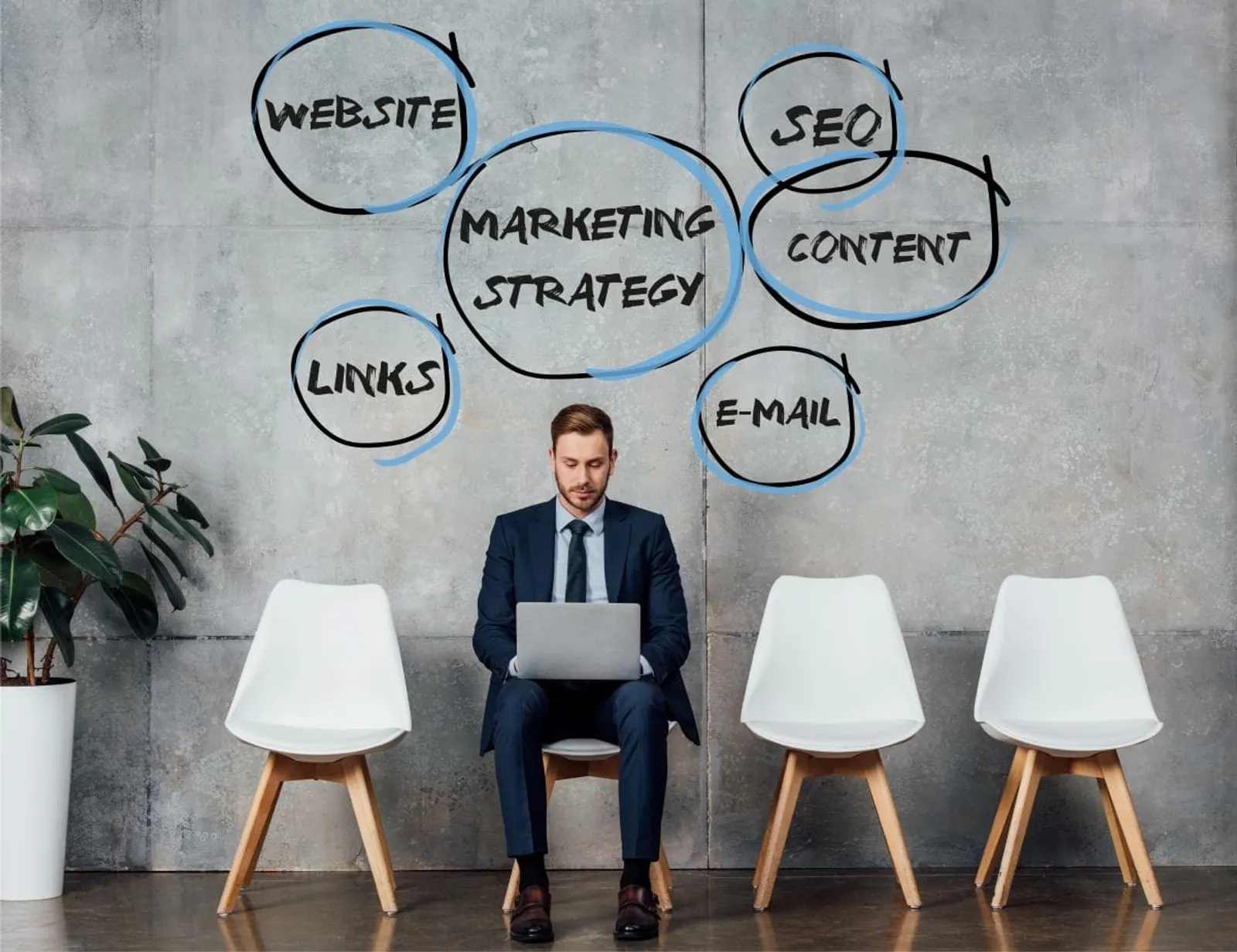

# What is generative AI in marketing?
Artificialartificial intelligencegenerative, known as generative AI, is changing the digital marketing landscape. This technology enables the creation of new and varied content, from text to images, based on input data. Its ability to personalize messages and transform advertising campaigns is revolutionizing how brands communicate with their audiences in the world of eCommerce.
Defining generative AI and its ability to produce varied content: Generative AI is based on advanced models that use algorithms to generate original content. Unlike traditional AI, which only analyzes existing data, generative AI can create new text, images, and videos. Models such as OpenAI's GPT-4 show how this technology can produce coherent, engaging content from an initial dataset. This enables marketing professionals to generate a wide range of materials, from advertisements to social media posts, as explained inlow-cost digital marketing for eCommerce.
Applications in marketing message personalization: One of the biggest advantages of generative AI is its ability to personalize marketing messages at scale. By analyzing consumer data, this technology can create targeted messages for different audience segments. For example, Michaels Stores has used generative AI to personalize 95% of its email campaigns, significantly improving click-through rates. Personalization goes beyond changing names; it means tailoring the tone, style, and content to each customer’s individual preferences, as explained inthe impact of AI on content creation.
How generative AI transforms ad campaign creation: Creating advertising campaigns used to be a long and costly process, but generative AI has shortened development times. A campaign that once took months can now launch in weeks or even days. AI doesn’t just generate content; it can also run automated tests to optimize messages before launch. This allows companies to be more agile and respond quickly to market trends, as explained indigital marketing strategies for eCommerce.
Examples of generative AI tools and models used in marketing: Several tools and models make it easier to implement generative AI in marketing. GPT-4 and DALL-E are popular models that generate text and visuals, respectively. In addition, platforms like Midjourney enable the creation of high-quality images, while tools like Persado help personalize messages in multichannel campaigns. These tools integrate easily into digital marketing strategies.
Benefits of generative AI for audience segmentation: Audience segmentation improves significantly with generative AI. This technology can analyze large volumes of data to identify patterns and segment consumers more precisely. This not only increases campaign effectiveness but also reduces costs by directing marketing efforts only to the most relevant segments. Granular data analysis helps companies better understand consumer behavior, making their messages more relevant.
Comparison with traditional marketing methods: Unlike traditional methods, which rely on broad segmentation and generic content, generative AI offers personalization at an unprecedented scale. Whereas messages were once static and not very adaptable, they can now be adjusted in real time based on consumer responses. This not only improves the customer experience but also increases marketing efficiency, allowing companies to maximize their return on investment.
# Generative AI highlights in marketing strategies
Generative AI is transforming marketing in ways that were once unimaginable. Below, we explore the highlights of its impact on today’s marketing strategies.
Reduced campaign development time: Developing an advertising campaign could once take months of planning and execution. With generative AI, this process is significantly shorter. Companies can now create and launch campaigns in a matter of weeks, allowing them to respond more nimbly to market trends. This is crucial for staying competitive in a rapidly changing digital environment.
Improved accuracy in message personalization: Personalization has become the standard for effective marketing. Generative AI allows companies to refine their messages with unprecedented precision, tailoring each interaction to the consumer’s specific profile. This not only makes content more relevant, but also increases the likelihood of conversion.
Increased efficiency in content generation: Generating quality content quickly and efficiently is a constant challenge for marketing teams. Generative AI automates much of this process, producing text, images, and videos in minutes. This frees creative teams to focus on more strategic and creative tasks, thereby optimizing internal resources.
Impact on customer satisfaction and engagement: By offering more relevant and personalized messages, generative AI improves the customer experience. When consumers receive content that genuinely interests them, their engagement with the brand increases. This not only improves customer satisfaction, but also fosters long-term loyalty.
Contribution to increased overall marketing productivity: Automating and optimizing routine tasks with generative AI increases the productivity of the marketing team. This translates into more efficient use of budgets and resources, allowing companies to invest in innovation and develop new marketing strategies.
Notable use cases from pioneering companies: Several companies are already leveraging generative AI to revolutionize their marketing strategies. For example, Stitch Fix uses AI to offer personalized product recommendations based on customer feedback. Michaels Stores has managed to personalize nearly all of its email communications, resulting in a significant increase in click-through rates. These examples demonstrate how generative AI can be a catalyst for success in digital marketing.

# Why generative AI is essential for digital marketing
Generative AI is redefining the digital marketing landscape. Its ability to transform campaigns and personalize experiences instantly is a valuable resource for any business looking to stay relevant and competitive.
1. Added value in digital campaigns: Generative AI enables personalization at a scale that was previously unattainable. This results in content that resonates more with consumers, increasing campaign effectiveness. By generating text, images, and videos tailored to user preferences, communication becomes more authentic and effective.
2. Real-time adaptability to market trends: In a market where trends change quickly, the ability to respond in real time is crucial. Generative AI adjusts campaigns on the fly, analyzing current data to anticipate changes and adapt content accordingly. This ensures that brands are always one step ahead, offering consumers what they are really looking for at just the right moment.
3. Improved customer experience: Personalizing the customer experience is key to fostering loyalty and satisfaction. Generative AI not only personalizes messages but also anticipates needs and preferences. For example, tools like those used by Instacart suggest recipes and meal plans based on purchase history, enriching the customer's shopping experience.
4. Success in the retail and services industries: Companies like Michaels and Stitch Fix have transformed their approach to customers thanks to generative AI. Michaels has increased engagement with its email campaigns by personalizing 95% of its messages. Stitch Fix, meanwhile, uses AI to offer tailored product recommendations, improving customer satisfaction and optimizing sales.
5. Cost-benefit comparison with conventional methods: Implementing generative AI may seem costly at first, but the long-term benefits outweigh these costs. Greater efficiency in content generation and increased personalization result in higher conversion rates and customer satisfaction, justifying the investment and reducing traditional marketing expenses.
6. Product innovation: Generative AI also drives innovation in product development. Companies like Mattel are using this technology to create product concepts faster and with greater variety. This not only speeds up time to market but also makes it possible to experiment with different features and designs based on data about consumer trends and preferences.
Generative AI is more than just another technology tool; it is a driver of change that is reshaping how companies connect with customers and create value for them in the digital space.
# How to implement generative AI in eCommerce strategies
Implementing generative AI in eCommerce may seem challenging, but with the right steps, you can effectively transform your digital marketing strategy.
1. Initial steps for integrating generative AI:
- Needs assessment: Before getting started, identify the areas of your business where generative AI can have a significant impact, such as content personalization or process automation.
- Develop a plan: Establish a clear plan that includes objectives, required resources, and an implementation timeline.
2. Choose the right tools:
- Research your options: There are various generative AI tools, from platforms like OpenAI to eCommerce-specific solutions. Evaluate which one best fits your needs.
- Scalability and support: Make sure the tool you choose can grow with your business and offers technical support to resolve any issues.
3. Team training:
- Ongoing education: Train your team to use AI technologies to maximize their effectiveness. This includes not only using the tools, but also understanding their capabilities and limitations.
- Role integration: Assign specific roles for managing AI within the team, ensuring qualified staff are available to oversee and optimize its use.
4. Align with business objectives:
- Clear objectives: Define how generative AI will help achieve your business objectives. This may include increasing conversion rates, improving customer satisfaction, or reducing operating costs.
- Ongoing monitoring: Implement a monitoring system to assess AI's impact on your objectives, allowing for quick, effective adjustments.
5. Examples of content personalization in eCommerce:
- Personalized recommendations: Use AI to analyze user behavior and offer personalized product recommendations. This increases the likelihood of conversion by presenting relevant products.
- Unique shopping experiences: Create shopping experiences tailored to users' individual preferences, such as dynamic content on product pages or personalized messages in marketing campaigns.
6. Measuring results and making real-time adjustments:
- Data analysis: Implement analytics tools to measure the performance of AI strategies. This includes tracking key metrics such as engagement, conversion rate, and return on investment.
- Continuous optimization: Use the data collected to make real-time adjustments, continually improving your marketing strategies based on generative AI.
By following these steps, you can effectively integrate generative AI into your eCommerce strategies, gaining a competitive advantage and building stronger connections with your customers.

# When is the right time to adopt generative AI?
Adopting generative AI at the right time can make a significant difference to your business’s success. Here are some key considerations to help you determine when to take this step:
1. Signs of organizational readiness:
- Culture of innovation: Assess whether your company fosters a culture that is open to change and innovation. A willingness to learn and adapt is essential to implementing advanced technologies such as generative AI.
- Available resources: Make sure you have the necessary financial and human resources. This includes trained staff and a budget for investing in tools and training.
2. Analysis of market needs and the competition:
- Demand for personalization: See whether your customers expect more personalized experiences and whether your competitors are already incorporating AI to meet these expectations.
- Industry trends: Research current trends in your industry. Adopting generative AI may be more urgent if your sector is undergoing rapid digital transformation.
3. Considerations about existing technology infrastructure:. Reference:Google Cloud AI.
- Integration capacity: Assess whether your current technology infrastructure can integrate generative AI solutions seamlessly. This includes data management systems and e-commerce platforms.
- Flexibility and scalability: Your technology should be flexible and able to scale to support new AI tools as your business grows.
4. Benefits of being an early adopter:
- Competitive advantage: Being among the first to adopt generative AI can give you a significant edge over the competition, allowing you to offer unique, optimized customer experiences.
- Continuous innovation: Early adopters are often better positioned to lead innovation in their industry, setting standards that others will follow.
5. Risks and challenges associated with premature implementation:. Reference:OpenAI.
- Technological uncertainty: Implementing generative AI too soon can lead to challenges, such as immature technology or insufficient technical support.
- Unexpected costs: Consider the hidden costs of early implementation, such as the need to upgrade infrastructure or hire AI experts.
6. Success stories that support early adoption:
- Inspiring examples: Companies like Stitch Fix have shown how early adoption of generative AI can significantly improve service personalization and customer satisfaction.
- Tangible results: Success stories often highlight increased operational efficiency and customer satisfaction, justifying the initial investment in this technology.
Adopting generative AI at the right time depends not only on a company’s internal capabilities, but also on how these technologies can align with market needs and offer a significant competitive advantage.
# Businesses using this technology: Examples of leaders in generative AI
Generative AI is revolutionizing how companies approach their marketing strategies. Below, we explore examples of leading companies that have successfully implemented this technology.
1. Description of pioneering companies:
- Michaels Stores: This chain of craft stores has transformed its marketing strategy by using generative AI to personalize its email campaigns. Content-generation platforms help the company better understand how different customer segments interact with its messages.
2. Strategies used in retail, food, and beverage:
- Stitch Fix: In the retail sector, this personalized clothing service uses generative AI to interpret customer feedback and offer product recommendations. AI helps stylists better understand customers’ needs, improving the accuracy of their suggestions.
- Kellogg’s: The food company uses generative AI to analyze recipes and culinary trends, enabling it to launch social media campaigns featuring innovative recipes that include its products.
3. Impact on customer loyalty and retention:
- Increased personalization: Companies like those mentioned have seen increased customer loyalty thanks to the deep personalization of their interactions. By offering content and deals that resonate with individual interests, customers feel more connected to the brand.
- Improved retention: The ability to anticipate customer needs and respond proactively has led to higher retention rates, strengthening the bond between the brand and its consumers.
4. Innovation in creating personalized user experiences:
- Instacart: This grocery delivery platform uses generative AI to offer customers personalized recipes and automatically generated shopping lists. This feature improves the user experience by providing tailored solutions that make purchasing decisions easier.
5. Tangible results and success metrics achieved:
- Michaels Stores: By personalizing 95% of its email campaigns, the company has achieved a 25% increase in click-through rate, demonstrating the positive impact of generative AI on its marketing communications.
- Stitch Fix: Its use of AI for recommendations has significantly improved customer satisfaction, reflected in steady growth in its base of loyal users.
6. Lessons learned from these pioneers:
- Strategic adoption: Successful implementation of generative AI requires careful planning and alignment with business objectives. Companies must be willing to invest in staff training and appropriate technology infrastructure.
- Customer focus: Companies should use generative AI to enrich the customer experience, ensuring every interaction is relevant and valuable. This not only improves loyalty but also the overall performance of marketing campaigns.
These pioneering companies have shown that the strategic use of generative AI in marketing strategies can lead to outstanding results, driving both innovation and customer satisfaction.

# Recommendations for maximizing the potential of generative AI
Implementing generative AI in marketing strategies can transform the way you connect with your customers. Here are some recommendations to help you make the most of this technology.
1. Best practices for integrating generative AI:
- Define clear objectives: Before implementing generative AI, establish what you want to achieve—whether that’s improving personalization, reducing costs, or increasing efficiency in content creation.
- Choose the right tools: Evaluate different AI platforms and select those that best align with your specific needs. Tools such as GPT-4 from OpenAI offer robust capabilities for generating text and visual content.
2. Strategies for managing ethical and privacy risks:
- Establish strict privacy policies: Ensure that data handling complies with local and international regulations, such as GDPR.
- Implement auditing mechanisms: Regularly review automated processes to identify and correct potential biases or errors.
3. The importance of human oversight:
- Ongoing Review: Although AI can automate many tasks, human oversight is crucial to ensure the quality and accuracy of generated content.
- Timely intervention: Teams should be ready to make quick adjustments if AI produces unexpected or inaccurate results.
4. How to build a multidisciplinary team:
- A diverse skill set: Build teams that include experts in AI, marketing, design, and data analytics. This combination of skills is essential for developing and executing successful AI projects.
- Ongoing training: Invest in training your team to keep them up to date on the latest AI technologies and practices.
5. Recommendations for continuously assessing AI’s impact:
- Set clear metrics: Define specific KPIs to measure AI’s success in your marketing strategies, such as conversion rate or customer engagement.
- Regular analysis: Conduct periodic assessments to adjust strategies and continuously improve how you use AI.
6. Future trends and developments in generative AI:
- Increased personalization: As AI advances, brands will be able to offer even more personalized experiences, adapting messages and offers in real time.
- Multichannel integration: Generative AI will make it easier to create consistent, relevant content across various platforms and devices, improving the user experience.
- Human-machine collaboration: We will see greater integration of AI into daily workflows, where humans and artificial intelligence collaborate to optimize processes and outcomes.
These recommendations will help you maximize the potential of generative AI in your marketing strategies, ensuring you make the most of this powerful tool while successfully managing the associated risks.
# Highlights of the risks and challenges of implementing generative AI
Implementing generative AI in marketing strategies presents certain risks and challenges that you should carefully consider.
1. Identifying potential biases in AI models:
- Sources of bias: Biases can arise from the training data used by AI models. For example, if the data reflects cultural or social prejudices, AI could replicate or even amplify these biases.
- Monitoring and adjustment: Implement processes to systematically identify and correct biases. Auditing tools and human review can help detect and mitigate these issues.
2. Challenges in interpreting and using unstructured data:
- Data complexity: Generative AI often works with unstructured data, such as text or images, which can be difficult to interpret.
- Technology solutions: Use advanced natural language processing (NLP) and deep learning models to improve the understanding and analysis of this data.
3. Risks related to privacy and data protection:
- Regulatory compliance: Protecting personal data is critical. Make sure your systems and processes comply with regulations such as the GDPR or Mexico’s Federal Law on the Protection of Personal Data Held by Private Parties.
- Encryption and anonymization: Implement encryption and anonymization techniques to protect user privacy at every stage of data processing.
4. Strategies for mitigating AI “hallucinations”:
- Understanding “hallucinations”: “Hallucinations” occur when AI generates incorrect or unverifiable information. This is a known risk in advanced generative models.
- Review and validation: Establish processes that include regular human reviews to validate AI-generated information before it is used or published.
5. The importance of establishing clear governance protocols:
- Structure and control: Define clear roles and responsibilities for managing AI within your organization. Effective governance requires protocols for implementation, review, and continuous improvement.
- Transparency: Communicate clearly about how AI is used and what data it processes, both internally and with your clients.
6. Examples of challenges faced by leading companies:
- Real-world cases: Companies such as Amazon and Google have faced significant challenges related to bias and privacy in their AI systems. These cases underscore the importance of addressing these issues proactively.
- Lessons learned: Learn from the strategies these companies have implemented to overcome their challenges. This includes investing in research and development to improve the accuracy and reliability of their models.
Considering these risks and challenges is vital to implementing generative AI effectively and safely in your marketing strategies.
# Frequently asked questions
# How does generative AI for ecommerce marketing work in practice?
Generative AI for ecommerce marketing is a solution that helps companies optimize their processes and results. Its importance lies in its direct impact on operational efficiency and business growth.
# How much does generative AI for ecommerce marketing cost?
The cost of generative AI for ecommerce marketing depends on the scope and specific needs of each business. Options range from affordable basic solutions to enterprise implementations requiring significant investment. The key is to weigh the expected return against the investment.
# What are the most common mistakes when implementing generative AI for ecommerce marketing?
The most common mistakes include failing to define clear goals before implementation, underestimating the time it takes for the team to adapt, and failing to integrate generative AI for ecommerce marketing with existing tools. Proper planning and professional support help minimize these risks.
# Sources cited
• McKinsey · The state of AI 2025 · Global survey of ~2,000 companies on AI adoption, value capture, and EBIT impact.
• AMVO · Online Sales Study in Mexico 2025 · Official study by the Mexican Association of Online Sales with data on the growth of Mexican ecommerce.