AI-Powered Live Commerce: How to Create Immersive Shopping Experiences
Live commerce + AI: The host streams live while AI translates, moderates comments, suggests relevant products, and processes orders in real time. Stack: streaming platform + moderating LLM + ecommerce integration. Already generating 10-20% revenue for fashion/beauty brands with au
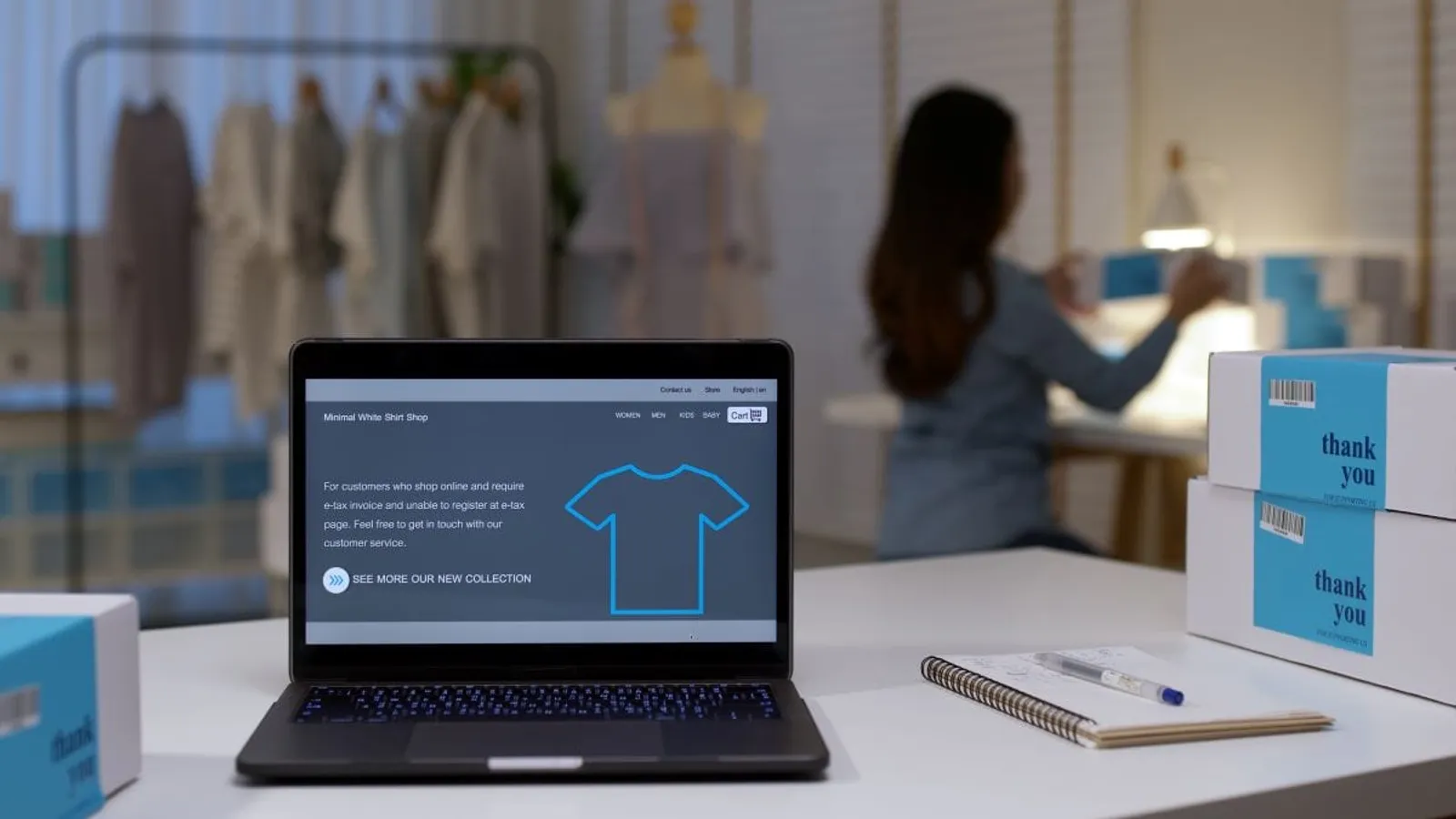

# Introduction to Live Commerce withArtificial Intelligence
AI-powered live commerce is transforming how businesses interact with their customers in the digital world. This approach combines live video streams with real-time product sales, while AI enhances the experience by personalizing it for each consumer. The importance of offering immersive shopping experiences has grown in ecommerce, making them essential for capturing and retaining the attention of today’s customers. In this context, AI not only improves efficiency but also increases customer satisfaction and loyalty.
Definition of live commerce and how AI is advancing this trend:
Live commerce is a sales model that combines live streams with the ability to buy products instantly. It’s like watching an infomercial, but much more interactive. Artificial intelligence plays a crucial role here. It makes it possible to personalize product recommendations in real time, tailoring them to each viewer’s specific preferences. For example, BytePlus Live uses AI to analyze audience behavior and deliver personalized content, increasing engagement and conversion rates, as explained inEcommerce with a product configurator: how.
The importance of offering immersive shopping experiences in ecommerce:
In the competitive world of e-commerce, standing out is vital. Immersive shopping experiences capture consumers’ attention, drawing them into a narrative that connects with them emotionally. Augmented and virtual reality are tools that transform the shopping experience, allowing customers to “try” products from home. This immersive experience not only attracts new customers but also strengthens relationships with existing ones, as explained inn8n for ecommerce: how to create automations.
Summary of the benefits of integrating AI into live commerce:
Integrating AI into live commerce offers multiple benefits:
- Content personalization:Personalized recommendations can increase revenue by 40%.
- Optimized interaction:AI enables real-time interactions, improving the user experience.
- Real-time data analysis:It enables immediate adjustments to sales strategies, increasing their effectiveness.
Contextualization in the Latin American market:
In Latin America, the potential for AI-powered live commerce is enormous. The region has seen a significant increase in online shopping, driven by mobile connectivity and the growth of the middle class. However, consumers are looking for shopping experiences that are both convenient and personalized. This is where AI can make a difference by tailoring offers to local needs and preferences, as explained inintelligent search in ecommerce with AI: how.
The evolution of ecommerce toward personalized experiences:
Ecommerce has evolved fromstoresinto platforms that deliver personalized experiences. AI is driving this transformation. Algorithms analyze behavioral data to recommend products consumers are genuinely interested in. This level of personalization not only improves customer satisfaction but also fosters long-term loyalty.
The relevance of AI to the digital transformation of online commerce:
Artificial intelligence is at the heart of digital transformation. It helps businesses better understand their customers, optimize operations, and deliver unique shopping experiences. In a world where 84% of ecommerce businesses prioritize AI, failing to adopt it means falling behind. AI not only improves the customer experience; it also transforms how businesses operate, making them more competitive and efficient.
# Why Is Live Commerce Key to Ecommerce Today?
Analysis of ecommerce growth during and after the pandemic:
The pandemic significantly accelerated ecommerce growth. During this period, many people changed their shopping habits, opting for the convenience and safety of online shopping. In 2021, 17,8% of global sales took place online, and this figure rose to 20,8% just two years later. This shift reflects not just a temporary adjustment but a lasting transformation in consumer behavior.
Changes in consumer behavior toward online shopping:
Consumers seek shopping experiences that are both convenient and personalized. They prefer platforms that offer accurate recommendations and relevant content. The ease of shopping from anywhere at any time has reshaped modern consumers’ expectations, creating demand for shopping experiences tailored to their individual needs.
Competitive advantages of implementing live commerce:
Live commerce offers several competitive advantages:
- Direct interaction:It lets consumers interact in real time with hosts and other customers, creating a sense of community.
- Boosting sales:Studies show that live streams can increase sales conversion rates by 30% or more.
- Dynamic content:The ability to adjust product presentations in real time based on audience response optimizes the shopping experience.
Impact on customer retention and loyalty:
Personalized, dynamic live shopping experiences foster an emotional connection with customers. When consumers feel that a brand understands and adapts to their needs, they are more likely to buy again. In addition, the ability to receive instant feedback and answer questions during a broadcast strengthens trust and loyalty toward the brand.
Data on the growth of online shopping in recent years:
Since 2021, online sales have grown by 3% annually, reaching a point where nearly a quarter of all purchases are made online. This growth reflects not only a shift in consumer preferences but also the expansion of the digital infrastructure that supports these transactions.
How live commerce adapts to changing consumer expectations:
Today’s consumers seek experiences that combine the interactivity of physical stores with the convenience of ecommerce. Live commerce meets this demand by integrating features such as live streams, real-time interaction, and personalized recommendations. Platforms that incorporate AI optimize these experiences, adapting quickly to changing expectations and ensuring that every interaction is relevant and engaging.
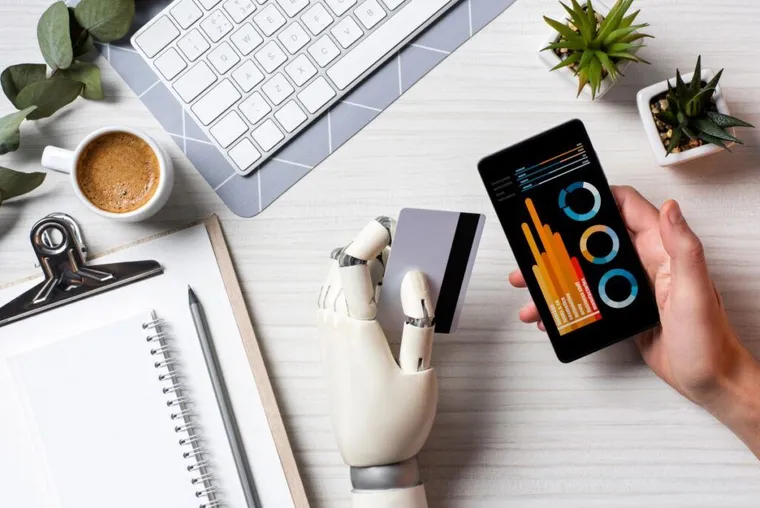
# Artificial Intelligence: A Driver of Live Commerce
Applications of AI in personalizing shopping experiences:
Artificial intelligence (AI) is transforming how brands create unique, personalized shopping experiences. By analyzing customer behavior data, such as searches and previous purchases, AI provides accurate, personalized recommendations that improve the user experience. This capability allows brands to anticipate their customers’ needs and offer products they are genuinely interested in.
Using AI for real-time product recommendations during live streams:
During live streams, AI can analyze viewer interactions in real time. This makes it possible to generate product recommendations tailored to customer preferences in that moment. For example, if a user shows interest in a specific product, AI can suggest complementary items to maximize sales opportunities.
The role of AI in optimizing customer interaction:
AI improves customer interaction by providing chatbots and virtual assistants that answer questions quickly and accurately. Powered by deep learning algorithms, these systems understand the context of customers’ questions and provide answers that not only resolve their concerns but also personalize the shopping experience.
Improving customer satisfaction through personalized experiences:
Personalized shopping experiences increase customer satisfaction by making customers feel understood and valued. A personalized approach reduces the time spent searching for products and offers relevant solutions, which in turn fosters customer loyalty. According to McKinsey, AI-powered personalization can improve customer satisfaction by between 5% and 10%.
Integrating real-time data analysis to adjust sales strategies:
AI’s ability to analyze data in real time allows businesses to adjust their sales strategies on the fly. This analysis reveals emerging trends and changes in consumer behavior, allowing brands to adapt their offerings and promotions instantly to maximize their impact.
Examples of how AI can predict purchasing trends:
AI uses predictive models to identify purchasing patterns before they become apparent. For example, it can predict increased demand for certain seasonal products or identify emerging interests based on users’ searches and behaviors. This allows retailers to adjust their inventories and marketing campaigns to align with these future trends, thereby optimizing sales opportunities.
# How to Create Immersive Shopping Experiences
Essential elements of an immersive shopping experience:
To deliver an immersive shopping experience, it’s essential to bring together several elements that capture the user’s attention. These include an intuitive interface, engaging visual content, and a cohesive narrative that guides users through the purchasing process. Easy navigation and smooth transitions between products and offers are key to keeping customers interested.
Using augmented and virtual reality in live commerce:
Augmented reality (AR) and virtual reality (VR) are transforming live commerce by allowing customers to view products in a realistic setting. For example, a furniture store can use AR to show customers how a sofa would look in their living room. This not only improves the shopping experience but also increases consumer confidence by helping them make more informed decisions.
Strategies to increase customer engagement during live events:
To maximize engagement, brands should focus on two-way interactions. This can be done through live polls, giveaways, and Q&A sessions. These activities not only keep viewers interested but also foster an active, engaged community around the brand.
The importance of narrative and storytelling in live sales:
Storytelling is a powerful tool in live commerce. By sharing authentic stories about a product’s origins or customer testimonials, brands create an emotional connection with viewers. This narrative should be cohesive and authentic to resonate with the audience and motivate conversions.
Using AI to personalize each user’s experience in real time:
Artificial intelligence makes it possible to tailor the user experience in real time, offering recommendations based on past actions and current preferences. If a customer has shown interest in a certain type of product, AI can suggest similar or complementary items during the live stream, making the experience more relevant, according toGoogle Cloud AI.
Implementing live feedback to adjust offers instantly:. Reference:OpenAI.
Receiving and analyzing feedback in real time is vital to tailoring offers to customer needs. This feedback can come from comments, reactions, or quick polls. By acting on this data immediately, brands can adjust their sales strategies and promotions to better align with consumer expectations.

# Success Stories: Companies Using AI-Powered Live Commerce
Examples of companies that have successfully integrated AI into their live commerce strategies:
Several companies have stood out for their innovative use of artificial intelligence in live commerce. One notable example isSephora, which has used AI to offer personalized recommendations during its live streams, improving its customers’ shopping experience. Another example isNike, which implemented AI technology to analyze customer behavior and adjust its offers in real time during live events.
Analysis of results and improvements in sales and customer satisfaction:
These implementations have led to significant improvements in sales and customer satisfaction. For example:
- Sephorareported a 25% increase in conversions after integrating AI into its live commerce events.
- Nikewill see a 30% increase in customer retention, thanks to the personalized and relevant recommendations during its live streams.
Innovations in the user experience powered by AI:
Artificial intelligence has enabled these companies to offer unique, personalized experiences. Some innovations include:
- Real-time recommendations:Based on analysis of viewer data, suggesting products they might be interested in.
- Optimized interaction:With AI chatbots that provide instant support and answers to frequently asked questions during live streams.
Lessons learned from these successful implementations:
Companies have learned valuable lessons, such as the importance of:
- Listening to customers:Using real-time feedback to adjust strategies.
- Investing in technology:Implementing AI requires a solid infrastructure and team training.
- Adaptability:Being flexible and prepared to adjust tactics based on customer needs.
Impact on these companies’ digital transformation:
Integrating AI into live commerce has catalyzed these companies’ digital transformation, positioning them as leaders in technological innovation. This has led to:
- Greater competitiveness:By offering more engaging, personalized shopping experiences.
- Operational efficiency:Reduced costs and optimized processes through automation.
How businesses in Latin America can adapt these practices:
Businesses in Latin America can adopt these practices by following a few key steps:
- Assessing local needs:Understand consumer preferences in the region.
- Scale gradually:Start with pilot projects and expand as positive results come in.
- Collaborate with experts:Work with technology partners to integrate AI solutions tailored to your specific needs.
Adapting these strategies can help Latin American businesses improve their live commerce experiences with artificial intelligence, increasing their presence and competitiveness in the digital market.
# How to Implement Live Commerce with Artificial Intelligence
Step-by-step guide to integrating AI into live commerce strategies:
- Define clear objectives:Before you begin, set specific goals for what you want to achieve with AI-powered live commerce. These may include increasing sales, improving customer satisfaction, or expanding brand reach.
- Choose the right technology:Research and choose live commerce platforms that already integrate artificial intelligence solutions, such as real-time analytics or smart chatbots, to make implementation easier.
- Develop engaging content:Create content that makes use of AI capabilities, such as personalized recommendations and interactive presentations, to keep viewers engaged.
- Test and refine:Before a large-scale launch, run pilot tests to identify areas for improvement and adjust your strategies based on feedback and the data collected.
Technology tools needed for implementation:
- Live streaming platforms:Such as BytePlus Live, which offers AI integration for an optimized experience.
- Data analytics software:To interpret customer behavior and adjust strategies in real time.
- Recommendation systems:That offer users personalized products during live streams.
Training and upskilling the team in AI technology:
- Technical training:Make sure your team understands how to use AI tools and is familiar with live commerce platforms.
- Ongoing updates:Foster a learning environment where the team can stay up to date on the latest artificial intelligence trends and tools.
Infrastructure and logistics considerations:
- Reliable internet connection:Ensure uninterrupted streaming to provide a high-quality user experience.
- Suitable hardware:Include high-definition cameras and quality microphones to improve live content production.
Assessing customer needs to personalize the experience:
- Data analysis:Use AI tools to collect and analyze data about customer preferences and behavior.
- Surveys and feedback:Collect information directly from customers to tailor live offers and presentations to their specific needs.
Measuring impact and continuously adjusting strategies:
- Clear KPIs:Establish key performance indicators to measure the success of your AI-powered live commerce efforts.
- Periodic review:Regularly review the results and adjust strategies as needed to maximize impact and keep your streams relevant.
Implementing live commerce with artificial intelligence not only improves the customer experience but also optimizes internal operations, providing a competitive advantage in an increasingly digital market.
# Challenges of Integrating AI into Live Commerce
Technical and infrastructure challenges:
Integrating artificial intelligence into live commerce requires robust technological infrastructure. Data processing and storage capacity must be sufficient to handle the workload involved in real-time analysis. In addition, internet connection quality is crucial to ensuring smooth streams.Solution:Invest in powerful servers and ensure a redundant internet connection.
Privacy and personal data management issues:
AI relies on analyzing large volumes of data, which raises significant privacy challenges. Regulations such as the GDPR in Europe require personal information to be handled carefully.Solution:Implement strong privacy policies and use data anonymization techniques to comply with regulations.
Overcoming cultural and language barriers in Latin America:
Cultural and linguistic diversity in Latin America poses a challenge to implementing uniform solutions. Consumers in different countries may have different expectations and behaviors.Solution:Personalize live commerce experiences to reflect cultural differences and offer multilingual support.
Managing expectations and changes to the organizational structure:
Integrating AI can significantly alter internal processes and employee expectations. Managing organizational change is essential to prevent resistance and ensure a smooth adoption process.Solution:Develop training programs and communicate clearly about the benefits of using AI at every level of the organization.
Cost-benefit assessment for small and medium-sized businesses:
For SMEs, investing in AI technology may seem prohibitive. However, long-term benefits, such as improved efficiency and customer satisfaction, may justify the initial cost.Solution:Conduct a detailed cost-benefit analysis that considers not only direct costs but also the expected return on investment.
Strategies to mitigate risks and maximize benefits:
To mitigate risks, it is essential to run pilot tests and adjust strategies based on the results. In addition, forming partnerships with technology providers can make advanced technologies more accessible without incurring high costs.Solution:Adopt an iterative approach, making continuous improvements based on data and customer feedback.
Addressing these challenges not only enables the successful integration of artificial intelligence into live commerce, but also strengthens companies’ competitive position in the dynamic digital market.
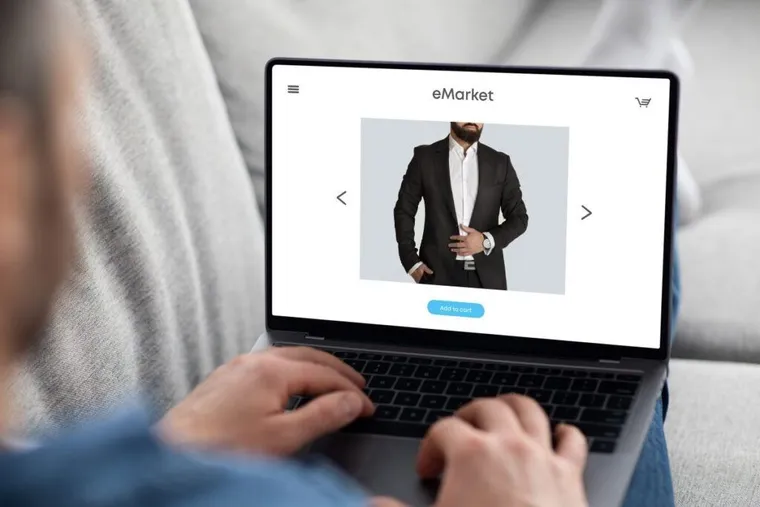
# Recommendations for Enhancing Live Commerce with AI
Tips for optimizing the use of AI in live shopping experiences:
- Implement intelligent chatbots:Chatbots can answer questions in real time, improving the customer experience and freeing up staff for more complex tasks.
- Analyze behavior in real time:Use AI tools to monitor how customers interact during livestreams and adjust sales strategies accordingly.
Best practices for maximizing customer engagement:
- Live interaction:Offer polls and ask questions during the livestream to engage viewers. This not only keeps them interested but also provides valuable data.
- Personalized content:Use AI to tailor the content shown to users’ preferences, such as highlighting products related to previous purchases.
Strategies for improving customer retention through personalization:
- Personalized recommendations:Based on purchase history and browsing behavior, AI can suggest products that genuinely interest customers, increasing the likelihood of future purchases.
- Personalized loyalty programs:Offer rewards that align with each customer’s interests, thereby increasing brand loyalty.
Using data to continuously improve the customer experience:
- Post-event data analysis:After each live commerce event, collect and analyze data to identify areas for improvement. This approach allows you to adjust strategies to better meet customer expectations.
- Real-time feedback:Implement ways to receive and respond to customer feedback while the event is underway.
Future innovations in AI-powered live commerce:
- Using augmented reality (AR):Explore how AR can let customers virtually “try” products during a livestream, offering an even more immersive shopping experience.
- Integration with voice assistants:Consider integrating voice technologies to make browsing and the purchasing process easier during livestreams.
How to stay up to date with technology trends in ecommerce:
- Attend webinars and conferences:These events are an excellent way to learn about the latest trends and emerging technologies in ecommerce.
- Subscribe to industry newsletters:Stay informed about the latest developments in AI and ecommerce through newsletters from reputable industry sources.
Adopting these recommendations can not only enhance the effectiveness of live commerce with artificial intelligence but also position your business at the forefront of digital innovation.
# Frequently asked questions
# What Is AI-Powered Live Commerce, and Why Does It Matter?
AI-powered live commerce is a solution that helps businesses optimize their processes and results. Its importance lies in its direct impact on operational efficiency and business growth.
# How Much Does AI-Powered Live Commerce Cost?
The cost of AI-powered live commerce depends on the scope and specific needs of each business. Options range from affordable basic solutions to enterprise implementations requiring significant investment. The key is to assess the expected return against the investment.
# What Are the Most Common Mistakes When Implementing AI-Powered Live Commerce?
The most common mistakes include failing to set clear objectives before implementation, underestimating the time the team needs to adapt, and failing to integrate AI-powered live commerce with existing tools. Proper planning and professional support help minimize these risks.
# Sources cited
• Deloitte · State of Generative AI Q4 2025 · Deloitte press release on the gap between revenue growth aspirations and actual gains.
• Brynjolfsson, Li & Raymond · NBER WP 31161 'Generative AI at Work' · Empirical study of the productivity impact of rolling out an AI assistant for customer service (n=5,179 agents).